There is a particular kind of silence that falls when you clear Tortola’s lee and the swells lift beneath the hull. The rig hums, the water turns that impossibly clear shade of aquamarine, and the line of cays ahead looks close enough to touch. A private yacht charter BVI gives you that silence on demand, along with the freedom to direct each day according to the wind, your appetite, and your mood. You are not buying transport. You are buying control of pace, privacy with a view, and the right to ask for conch fritters at 3 p.m. because the snorkeling ran long.
The British Virgin Islands were designed for island hopping. Distances are short, anchorages are protected, and the mix of beach bars, reefs, and quiet coves makes it easy to build an itinerary that unfolds in layers rather than rushes toward a finish. With the right boat and a crew who understand the rhythm of these waters, you can blend iconic stops with hidden corners and match the week to your style, whether that means kite sessions along Anegada’s flats or slow mornings with French press coffee and no sound but a burgee ticking in the breeze.
Where to Start and How to Choose Your Boat
Most itineraries begin in Tortola. This is the charter hub, the place to stock the galley, meet the crew, check the reef-safe sunscreen you forgot to pack, and set a course that makes sense for the conditions. A Tortola yacht charter also means easy connections through Beef Island, a short taxi to the marina, and plenty of provisioning options if you want to hand-pick wine or seafood before departure.
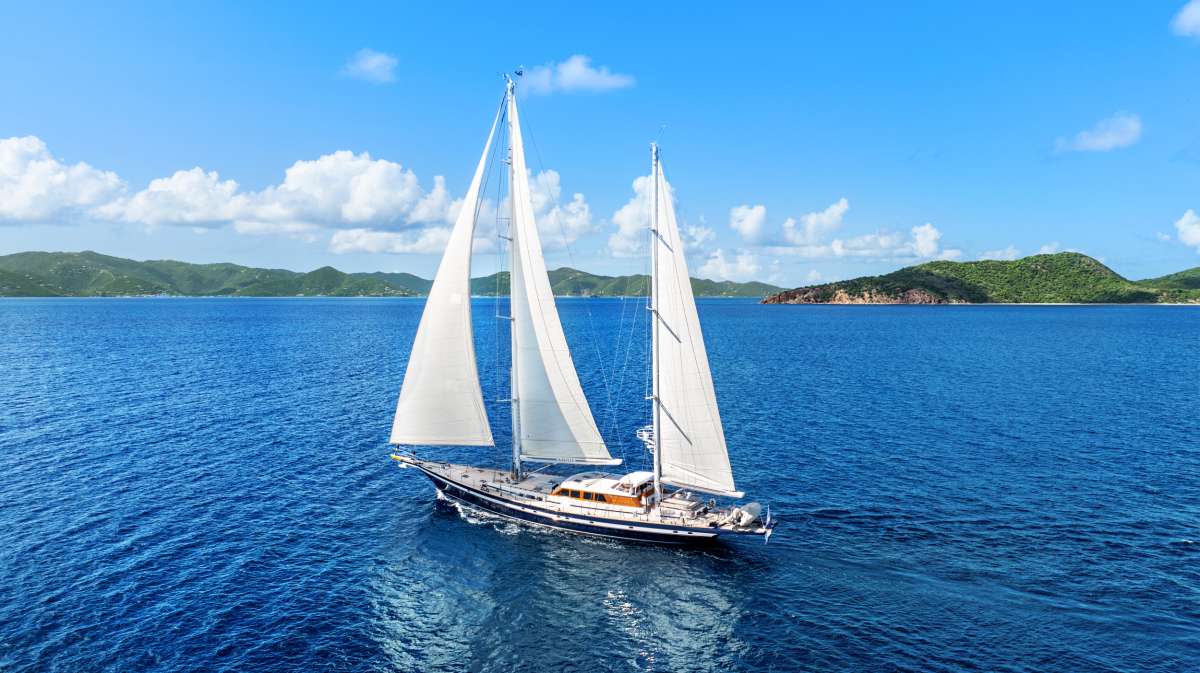
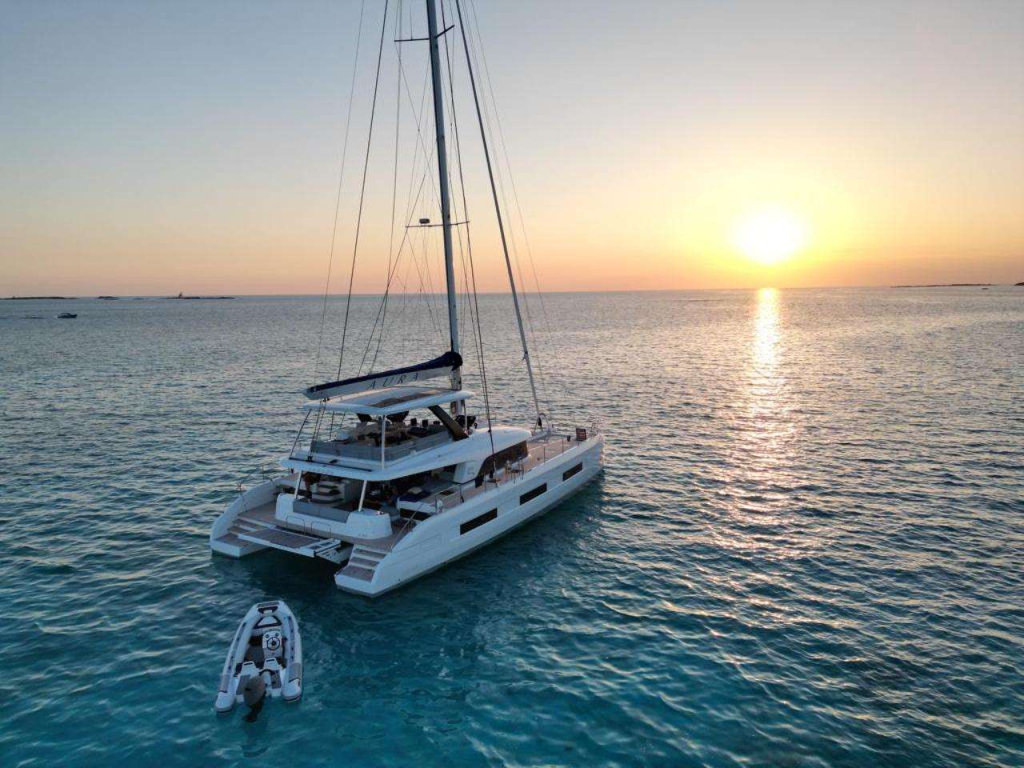
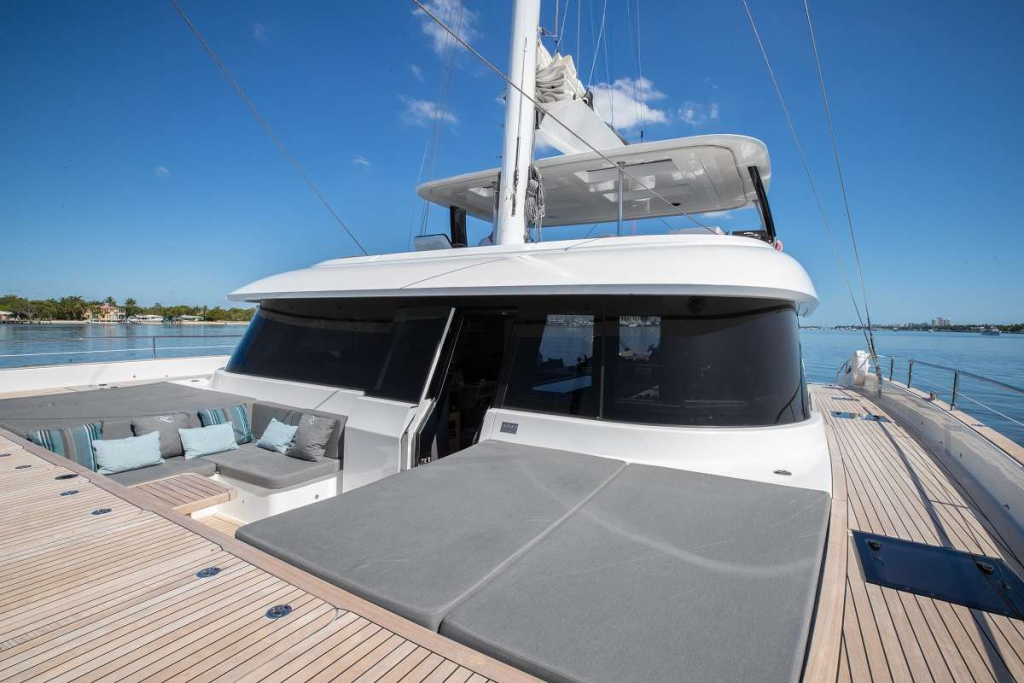
Choosing the right platform matters more here than in many archipelagos. Winds in peak season sit between the mid-teens and low twenties, seas are manageable, and the channels between islands rarely demand heroic passages. You can sail daily without wrestling ocean swells. That invites choice. A BVI catamaran charter offers space, stability, and easy access to the water, ideal for families or mixed groups. A BVI sailing yacht charter offers tighter performance under sail, a sleeker ride, and, for purists, the satisfaction of a boat that accelerates when you trim just right. A BVI motor yacht charter makes sense if you prize speed, air-conditioned interiors, and the ability to hit three anchorages before lunch. If you want to captain your own, a BVI bareboat yacht charter lets you set your own agenda, subject to experience and the charter company’s requirements. For ultimate ease, an all-inclusive BVI yacht charter wraps meals, fuel, bar, and water toys into one package, so you can focus on play rather than logistics.
Think of luxury BVI yacht rental less as a category and more as a spectrum of comfort and service. The best boats match your priorities. If your group plans to anchor stern-to at The Indians for an early snorkel, you want a shallow draft and a dinghy that launches fast. If fine dining is part of the plan, a crew with a chef who has a repertoire beyond grilled lobster matters. Ask for sample menus and wine lists, not to nitpick, but to understand fit.
A Seven-Day Itinerary That Leaves Room to Breathe
Routes should bend to the breeze, not the other way around. That said, a good skeleton helps. The run below blends icons with detours you can dial up or down.
Day 1: Tortola to Norman Island. Clear the dock early if you can. It is a short reach to The Bight, Norman Island’s main anchorage, with moorings that fill quickly in high season. On the way, swing by The Indians. If the swells are gentle, drop a hook in 20 to 30 feet for an hour and slip in with a mask. The coral gardens along the southwest side light up when the sun angles just right, and it is common to see schools of blue tang rolling like a single organism. In The Bight, swim the Caves before sunset. The water turns inkier as you ease into the chambers, and the shafts of light that filter through are worth the goosebumps.
Day 2: Norman to Peter and on to Cooper. Peter Island sits a short hop east. Great Harbour on Peter is restful on a north swell, with good holding and a long, lazy beach. If the day feels too slow, run across to Cooper Island for lunch ashore and a midafternoon snorkel on the wreck of the RMS Rhone, breaking it into two dives if you have tanks on board. The Rhone is a stunner, with the bow and midsection providing a mosaic of swim-throughs and resident tarpon. Non-divers can drift the shallows near Cistern Point, where turtles graze among the sea fans.
Day 3: Cooper to Virgin Gorda’s southern anchorages, then The Baths. Pick up a mooring early at The Baths, ideally before 9 a.m., and be patient. The park can close access if swells climb or thunderstorms threaten. When it opens, the path through the granite boulders is pure cinema. Climb, duck, splash, and do not rush the cathedral room with light dappling the water. Afterward, head to Virgin Gorda Yacht Harbour to top up water or pick a mooring at Savannah Bay if the breeze swings east and you want solitude. As part of a Virgin Gorda yacht charter plan, consider dinner aboard. The sunsets here turn slow and generous.
Day 4: North Virgin Gorda to Anegada. This is your stretch day, a straight shot of roughly 12 miles across open water. Anegada is low and coral rather than volcanic, so the approach requires attention. Follow the buoys line by line and heed your crew’s guidance. The reward is a different island altogether, with bonefish flats, endless beaches, and beach bars that feel like they were built for bare feet and sand-dusted glasses. An Anegada yacht charter day can hold all kinds of subplots. Rent a truck for the afternoon and hunt lobsters at Cow Wreck or Loblolly, or bring a kite and look for that butter-flat section on the north shore when the wind lays down.
Day 5: Anegada back to North Sound. Aim for an early departure to ride the morning light south. North Sound, Virgin Gorda, is a natural playground sheltered by reefs. You can pick a mooring near Leverick Bay if you want shore services or set up near Prickly Pear for clear water and long swims. If you booked a BVI catamaran charter, the water toys come into their own here. Paddle at sunrise, then let the kids jump off the sugar scoop a hundred times. If you are on a BVI sailing yacht charter, pick a line that has you close-reaching under genoa alone just for the fun of sliding past Saba Rock while you set up for a late afternoon reach out toward Eustatia and back.
Day 6: North Sound to Cane Garden Bay via Guana and Sandy Spit. This is the quintessential BVI day. Stop at Monkey Point on Guana for an hour. The snorkel can be hit or miss, but when the baitfish gather, the tarpon, jacks, and pelicans turn it into a show. If conditions are settled, drop by Sandy Spit for a postcard moment on a sandbar with green water curling around both sides. End at Cane Garden Bay. The anchorage can roll if a northerly swell sneaks in, but when it lies down, music from the beach carries over the water, and it is easy to lose track of time.
Day 7: Cane Garden Bay to Jost Van Dyke, then a lazy sail back toward Tortola. Jost Van Dyke yacht charter days are about as carefree as it gets. You can slip into White Bay for a swim ashore at Soggy Dollar, then relocate to Great Harbour for a steadier night. If you prefer quieter water, Little Harbour offers good holding and a simple dinner ashore. Leave time to enjoy the last sail back. Let the crew ease the sheets, keep a drink cold, and watch the color shift as you cross the Sir Francis Drake Channel for the final time.
This loop, roughly 80 to 110 miles depending on detours, leaves room for weather, naps, and whims. It stitches together BVI iconography without surrendering every hour to appointments. Adjust your targets if the wind pipes up. The Caves can wait; a downwind leg to Jost in 20 knots might be the memory that lasts.
Crafting a Bespoke Plan: Play to the Season and Your People
The best British Virgin Islands yacht charter itineraries have fingerprints. They reflect the quirks of the group and respect the conditions. A family with small children might prioritize short hops, beaches with gentle entry, and anchorages with turtles close by. A group of divers will build days around slack water and depth rather than beach bars. A foodie crew might plan dinners ashore at Sugar Mill or CocoMaya and ask the chef to lean local on the other nights, heavy on callaloo, grilled wahoo, and key lime tarts.
Season matters. Peak months run December through April. Winds are livelier, seas are typically tidy, and moorings fill early. Shoulder seasons in May and June or late November offer a sweet spot, with room to spare and water warm enough for long sessions over the reefs. Hurricane season asks for flexibility. Reputable operators will monitor forecasts closely and may adjust routes or recommend deferring if systems are brewing. The good news is that the BVI’s geography gives options on most points of the compass. If a north swell arrives, tuck into the south sides of the islands. If trades go soft, use the motor sparingly, pick shorter routes, and save diving for days with better visibility.
The Boat as Your Base: Comforts, Crew, and Small Things That Matter
A charter boat is a floating hotel, restaurant, and toy shed, so how it is set up shapes your experience. On a BVI catamaran charter, the salon and cockpit typically flow together, shaded and breezy, with easy steps to the water. Cabins often offer equal berths, a diplomatic win for groups. On a BVI motor yacht charter, terraces and flybridges become stages for afternoon reading and dawn coffee, with stabilizers keeping things calm at anchor. A monohull sailing yacht, while taut and purposeful under sail, trades some square footage for that feeling of slicing cleanly through a gust, heel moderated by a crew who know when to ease.
Crew quality makes or breaks the week. Good captains read not only the sky but the room, proposing an early departure when they sense your group wakes bright or suggesting a late swim when the kids look restless. Good chefs balance bounty with restraint in the heat, build menus around availability, and understand that a bowl of https://jsbin.com/?html,output chilled watermelon after a long snorkel can be as memorable as a complicated entree. If you opt for an all-inclusive BVI yacht charter, be frank in your preference sheets. Share real likes and dislikes, any allergies, and the kind of snacks that disappear fastest.
Provisioning gets easier if you decide what you want to cook or have cooked aboard versus where you want to eat ashore. The BVI offers a string of options from casual to celebratory. Just remember that schedules slip on the water. Make bookings where it matters, but hold them lightly. Tell your crew where you care most about going and let them manage the rest.
Highlights Worth Planning Around
The Baths get the headlines, and rightly so, but a bespoke itinerary benefits from more than the obvious.
The Indians and Pelican Island. On clear days, this becomes a live-action aquarium. Go early or late to avoid the mid-morning crush. If the swell is up, stay aboard. There is no point forcing a snorkel in poor visibility.
The Rhone. Not every wreck lives up to the lore. The Rhone does. Visibility often ranges 40 to 80 feet, and the wreck’s scale allows divers of varied experience to find their lane. Mind current and your captain’s advice on timing.
Anegada’s north shore. If you kite, you already know. If you do not, the beaches alone are reason enough. The water shifts from turquoise to glassy green, and the sky feels wider than on the other islands. If you plan a lobster dinner on the beach, tell your crew early so they can coordinate.
Jost Van Dyke’s White Bay. Crowded at times, yes. Also charming in the way a place becomes when the formula is simple and well executed. Swim ashore rather than dinghy if the surf is running. Bring a dry bag, shoes, and leave anything precious aboard.
Guana’s Monkey Point. A good snorkel on many days and exceptional when the baitfish arrive. Think about dropping in from the bow and drifting back to the stern on a long painter if the current runs. Safety first, yet smart techniques can elevate a simple snorkel into a quiet glide.
Seamanship and Safety: Good Habits Make Good Memories
The BVI’s reputation as an easy cruising ground is deserved, but easy does not mean careless. Pay attention to mooring field etiquette. Do not run lines over coral heads. Use the painter correctly, and avoid throttling hard in reverse once you pick up a ball. If your crew recommends anchoring rather than grabbing a marginal mooring in a crosswind, trust them. I have watched more than one vacationer exhaust themselves fighting a simple setup.
Reef awareness matters beyond the obvious environmental reasons. The water is clear enough to hide depth perception errors. If you are on a BVI bareboat yacht charter, plan routes that respect the channels and avoid shortcuts across sand tongues that fade into coral patches. Review your charts each night, digital and paper, and confirm with your eyes the next morning. Weather calls deserve a daily check. Even small shifts in wind direction can transform a quiet bay into a rolly night.
Water use is always part of the math in the islands. Long, hot showers feel marvelous, but tanks empty sooner than you expect. So does ice. Share realistic usage with the crew. A quick top-up stop often costs less in disruption than nursing the last gallon. If your itinerary includes several quiet nights away from docks, ask about water maker output and generator hours. A little planning keeps the peace.
Budgeting With Clarity
Charters stack costs in layers. In the Caribbean yacht charter BVI market, the base rate for the boat and crew is the headline. On top of that sit taxes, permits, and sometimes a cruising fee. For all-inclusive boats, meals, ships bar, fuel, and water toys typically sit inside the rate within reasonable limits, with premium wines or unusual requests billed separately. For plus-expense charters, you fund an advance provisioning allowance that covers fuel, dockage, food, and drinks during the trip, with a reconciliation afterward.
Gratuity is customary and deserves a straight conversation. For fully crewed bvi yacht charters, 10 to 20 percent of the base rate is standard, adjusted for service and the complexity of the week. A regatta week that demanded long days and short turnarounds calls for one number. A quiet, low-demand week where the crew still delivered great service may suggest another. Hand the tip discreetly to the captain on the final day.
Insurance is the unglamorous bit that saves headaches. Confirm what is covered by the operator and what falls to you. Travel insurance that covers trip interruption and medical evacuation makes sense, particularly in storm season. If you are skippering a BVI bareboat yacht charter, ask about deposit terms and hull insurance details up front. Clarity now prevents unhappy arithmetic later.
Sustainability Without Finger-Wagging
The BVI depends on healthy reefs and clean bays. You can do a lot without turning your week into a lecture series. Wear reef-safe sunscreen and a rash guard instead of slathering on more SPF. Use the head and pump-out facilities correctly rather than assuming the sea can absorb anything. Choose moorings where provided to protect coral heads, and if you must anchor, set the hook in sand and check it visually.
Plastic bottles are the scourge of tropical life. Most crewed charters offer filtered water, so refill flasks rather than ferrying flats of small bottles aboard. Ask your chef to bias menus toward local fish and produce when available. You do not need to eat like a saint. Small, consistent choices matter more than a grand gesture.
The Charm of Each Island, in Short
- Tortola: Charter hub, provisioning, sheltered anchorages along the Drake Channel, and an easy first night’s sail. Good balance of services and scenery. Virgin Gorda: Geology on display at The Baths, protected waters in North Sound, and sunsets that feel tailored to long dinners on deck. Anegada: Low coral atoll, beaches that run for miles, fishing and kiting heaven, and a different rhythm that resets the week. Jost Van Dyke: Easygoing beach culture, quick hops between anchorages, and a reliable soundtrack drifting across the water. Norman, Peter, Cooper, and Salt: Bite-sized sails, high-value snorkels and dives, and coves that invite a second night if the mood holds.
Real-World Tips From the Water
If you want a mooring at The Indians or The Baths in high season, think like a fisherman, not a tourist. Go early. Have the bow line ready, brief the crew, and approach with patience. You will enjoy the snorkel more when the boats thin out.
Customization works best in conversation with your captain. Share your nonnegotiables on day one. Maybe you promised the kids a morning with turtles or your partner a sunset sail without an engine. State it. Good crews turn those into anchor points around which the rest of the week flexes.
Do not over-schedule dinners ashore. One or two reservations spaced through the week is plenty. Many of the most satisfying meals happen on deck, barefoot, with a breeze moving across the cockpit and a chef who nailed the balance between island flavors and your preferences.
If someone in your group is new to boating, save a downwind leg for day two or three when they have found their sea legs. There is no medal for hammering into it on the first afternoon just because it is on the plan.
Finally, leave a little blank space on the itinerary. The BVI rewards people who are willing to stop for a pod of dolphins or shift the plan because the water at Sandy Spit looks like a postcard. The point of a private yacht charter BVI is not to prove you can do it all. It is to choose exactly the right next thing, at your pace.
Making the Booking: What to Ask Before You Sign
Move past glossy photos and get candid answers. Ask about the boat’s refit year, the generator hours, and the tender’s horsepower. Confirm cabin layout and berth sizes to avoid last-minute surprises. If you care about sailing performance, request sail condition details, not just that the sails are “good.” Photographs of the galley and the crew’s sample menu reveal more about daily life aboard than drone shots ever will.
For a British Virgin Islands yacht charter that spans school holidays or New Year’s, book early. Prime weeks go a year in advance. If your dates are flexible, let the broker know. They can often secure a stronger package if you leave room to maneuver by a day or two. Clarify cancellation terms in writing, including how weather events are handled. If a storm threatens, reputable operators will put safety first and work with you.
Think about pick-up and drop-off points. A one-way trip from Tortola to Virgin Gorda or vice versa can make sense for certain itineraries, but it complicates logistics and may add cost. Round-trip routes are simpler for most. In the BVI’s tight geography, you will not feel constrained by starting and finishing in the same marina.
Why the BVI Still Wins
Other archipelagos offer wild beauty, yet the BVI combines ease, variety, and consistency in a way that resists comparison. You can finish breakfast in a calm anchorage, enjoy a 45-minute sail, and be snorkeling above a reef before the coffee gets cold. You can add a night at anchor when the sky clears or bail to a marina when a squall line appears on the horizon. You can choose a BVI catamaran charter for family space, a BVI sailing yacht charter for feel, a BVI motor yacht charter for reach, or lean into an all-inclusive BVI yacht charter when you want one simple number and a crew who make it all look easy.
A bespoke itinerary across these isles is not complicated to build, but it benefits from attention, a sense of priorities, and crew who know the back doors as well as the front. Bring curiosity, a respect for the elements, and a willingness to pivot. The islands will handle the rest. When you glide back into Tortola at week’s end, salt in your hair and a better understanding of the color blue, you will have done more than visit the BVI. You will have lived inside it, one bay at a time.